Kensington and Chelsea council rubbish rules Knightsbridge
Posted on 06/07/2026
Kensington and Chelsea council rubbish rules Knightsbridge: a practical local guide
If you live, work, or manage property in Knightsbridge, the local rubbish rules can feel strangely complicated for something as ordinary as taking out waste. One day it is a sack of mixed rubbish, the next it is a bulky sofa, and suddenly you are worrying about collection times, recycling expectations, and whether the council will treat it as a fly-tipping risk. That is exactly why understanding the Kensington and Chelsea council rubbish rules Knightsbridge matters. It is not just about tidiness. It is about avoiding fines, keeping pavements clear, and making sure waste is handled properly in a dense, high-value part of London where access and timing really matter.
This guide breaks the topic down in plain English. We will look at how the rules work, what they mean in day-to-day life, where people usually go wrong, and how to plan waste removal without stress. We will also cover practical steps for households, landlords, trades, and businesses in Knightsbridge. A lot of the small details are where problems start, so let's get those straight first.
Contents
- Why Kensington and Chelsea council rubbish rules Knightsbridge matters
- How Kensington and Chelsea council rubbish rules Knightsbridge works
- Key benefits and practical advantages
- Who this is for and when it makes sense
- Step-by-step guidance
- Expert tips for better results
- Common mistakes to avoid
- Tools, resources and recommendations
- Law, compliance, standards, or best practice
- Options, methods, or comparison table
- Case study or real-world example
- Practical checklist
- Conclusion
- Frequently asked questions
Why Kensington and Chelsea council rubbish rules Knightsbridge matters
In a place like Knightsbridge, rubbish management is about more than finding space for bags and boxes. Streets are busy, parking is limited, and properties often have awkward access, shared entrances, or strict building rules. If waste is left out at the wrong time, in the wrong place, or in the wrong container, it can quickly become everyone's problem: neighbours, concierge staff, contractors, and the council.
The rules matter for a few practical reasons. First, they help keep the area clean and usable. Second, they reduce the chance of attracting pests or creating hazards on narrow pavements. Third, they protect property owners and tenants from messy disputes. In our experience, most rubbish problems in Knightsbridge are not dramatic. They are small, repeated mistakes: a bin put out too early, a black sack left beside a full communal store, or a bulky item abandoned because no one arranged removal in time. Small thing, big headache.
There is also a reputational side. If you manage a rental, an office, or a short-let property, poor waste handling makes the whole place feel neglected. And in a premium area, that never goes unnoticed. Not by neighbours, not by visitors, and certainly not by management companies.
For broader local context, many residents who are dealing with rubbish changes alongside a move or refurbishment also find it useful to read about Knightsbridge as a place to live and work, because the practical side of local living often shapes how waste needs are handled.
How Kensington and Chelsea council rubbish rules Knightsbridge works
At a simple level, rubbish rules in Kensington and Chelsea are about separating waste correctly, presenting it properly, and using the right collection route. That sounds obvious, but it gets more nuanced once you add Knightsbridge's mix of mansion blocks, townhouses, retail units, office floors, refurbishments, and high-footfall streets.
Most waste falls into a few broad categories:
- Household residual waste such as non-recyclable rubbish.
- Recycling such as paper, cardboard, glass, cans, and certain plastics, depending on local collection arrangements.
- Food waste where a separate system is used or required.
- Bulky waste like furniture, mattresses, and large household items.
- Commercial waste from shops, offices, hospitality venues, and managed buildings.
- Construction or builders waste from refurbishments and maintenance projects.
- Green waste from gardens, planting, and landscaping work.
The main thing to understand is that not all rubbish can be treated the same way. A kitchen bin bag, a broken wardrobe, and a load of renovation rubble all need different handling. That is where confusion usually starts.
In practice, Knightsbridge residents often rely on a mix of council collections, building management rules, and private waste removal when the job is too bulky, too urgent, or too awkward to manage alone. For example, a one-off office move may be better handled through office clearance in Knightsbridge, while a household clear-out may fit better with house clearance support. The right route depends on volume, access, timing, and what the items actually are.
If you are dealing with renovation debris, the rules become even more important. Builders waste should not be treated as ordinary domestic rubbish. That is where a dedicated approach like builders waste disposal in Knightsbridge can make all the difference, especially on sites where skips are inconvenient or where access is tight.
Key benefits and practical advantages
Following the local rubbish rules properly is not just about avoiding trouble. It also makes life easier, and frankly, less annoying.
- Cleaner surroundings: less mess around entrances, bins, and pavements.
- Fewer delays: waste is easier to remove when it is sorted and ready.
- Lower risk of penalties: you reduce the chance of fines or complaints.
- Better building relations: neighbours and concierges are far happier when rules are respected.
- More efficient refurbishments: trades can work faster when waste is planned well.
- Better recycling outcomes: recyclable items are less likely to be lost in mixed waste.
There is also a very practical commercial advantage. In Knightsbridge, time is rarely cheap. If waste is handled badly, you often pay twice: once in the removal cost, and again in the lost time sorting out access, complaints, or repeat collections. It is a bit like spilling tea on paperwork and then having to reprint the lot. Only with bins, bags, and a van outside your front door.
For many property owners, the biggest advantage is predictability. If you know what can go where, you can plan viewings, refurbishments, or tenant handovers more confidently. That matters whether you are dealing with an apartment near Brompton Road or a managed property closer to Sloane Street. If location and timing are part of your daily reality, local rubbish removal around Brompton Road can also help illustrate how access and timing shape the process.
Who this is for and when it makes sense
This topic matters to a wide group of people, not just homeowners. Knightsbridge has a mixed property profile, so waste issues come from all directions.
Homeowners and tenants
If you are clearing a flat, replacing furniture, or getting rid of old appliances, the council's rules determine what you can leave out, what needs sorting, and what needs a special collection. You will also want to think about storage space. Not every building has a roomy bin area, and some do not have much space at all.
Landlords and letting agents
Move-outs often create rushed rubbish decisions. A tenant leaves items behind, a cleaner finds unexpected bags, or a landlord needs the flat reset quickly between lets. In those moments, organised waste removal matters more than ever. A proper plan can save a lot of awkward back-and-forth.
Property managers and concierges
In managed buildings, the rules are often stricter than the council's baseline. That is because shared spaces need control. If waste blocks fire routes, smells bad, or spills into communal areas, the issue escalates fast. Nobody wants that call on a Monday morning.
Businesses and offices
Commercial waste is a different beast altogether. Boxes, packaging, furniture, electronic items, and general office waste should be handled through the correct commercial route. If you are downsizing or relocating, it may be more efficient to look at commercial waste removal in Knightsbridge rather than trying to manage everything piecemeal.
Builders and trades
Builders, decorators, installers, and refurbishment teams need reliable waste flow. If waste builds up on site, the job slows down. If rubble is left where it should not be, you may run into access problems, complaints, or compliance issues. Truth be told, a tidy site is usually a faster site.
Step-by-step guidance
If you want to handle rubbish correctly in Knightsbridge, keep it simple and methodical. Here is a practical way to approach it.
- Identify the waste type. Start by separating ordinary household rubbish from recyclable items, bulky waste, green waste, appliances, and anything from building work.
- Check your building rules. Many properties in Knightsbridge have their own waste storage and collection instructions. These can be stricter than the general council baseline.
- Decide whether the council route is suitable. Small, routine waste may fit the usual household collection setup. Larger or awkward items usually need a different solution.
- Group items sensibly. Put similar items together. Cardboard in one stack, furniture in one area, builders waste separate, and so on.
- Plan access before collection day. Think about lifts, stairwells, loading bays, parking, and narrow entrances. Knightsbridge access can be a pain, no sugar-coating it.
- Remove hazards first. Sharp items, glass, heavy bags, and loose debris should be secured before anyone starts moving things.
- Use a licensed waste carrier for private removal. If you are not using the council's route, make sure the company handling the waste is compliant and transparent.
- Keep basic records. If you are a business or landlord, note what was removed and when. That can save a lot of questions later.
If you are handling bulky household items, dedicated collection options can be more sensible than trying to drag everything to the pavement. For example, furniture disposal in Knightsbridge and furniture removal in Knightsbridge are often the practical answer for sofas, beds, wardrobes, and similar items.
Need to clear the top of a building or a hard-to-reach storage area? Then a service like loft clearance in Knightsbridge or SW3 loft clearance can be far easier than doing it yourself. Stairs, dust, awkward furniture angles... you get the picture.
Expert tips for better results
There are a few habits that make rubbish handling in Knightsbridge much smoother. These are the sorts of things people only learn after a few messy attempts.
- Don't wait until the end of a project. Waste should be planned as part of the job, not as an afterthought.
- Use separate piles or containers. Mixing everything together makes recycling harder and slows collection.
- Measure access before you book anything. A van that cannot get close enough quickly becomes a problem.
- Ask about loading times. Some buildings only allow certain hours for collections. Quiet hours matter in residential blocks.
- Protect shared areas. Corridors, lifts, and lobbies should not be used as storage. That one comes up a lot.
- Take photographs before removal. It is a simple way to show what was there and what left.
- Keep bulky items dry if possible. Wet furniture and soggy cardboard are harder to manage, heavier to move, and generally more unpleasant. Let's face it, nobody loves a damp mattress.
If you are dealing with a broader property reset, it can also help to pair waste planning with a wider clearance approach such as waste clearance in Knightsbridge. That is especially useful when there are mixed items, storage clutter, and a deadline all at once.
Expert summary: The easiest way to stay on the right side of local rubbish rules is to separate waste early, respect building access, and use the right removal route for the type of rubbish you actually have. Most mistakes happen because someone treats all waste as one category. It rarely ends well.
Common mistakes to avoid
A lot of rubbish-related trouble in Knightsbridge comes from predictable errors. The good news? They are avoidable.
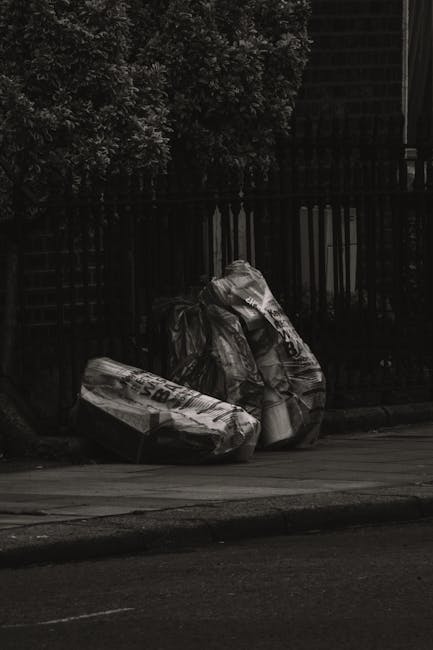
- Leaving bags outside too early. This can create complaints, block pavements, or attract unwanted attention from the council or building management.
- Mixing recyclables with general waste. It sounds minor, but it can undermine the whole disposal process.
- Ignoring bulky item rules. A sofa is not the same as a bin bag, even if both are annoying to carry downstairs.
- Assuming skips always fit. In Knightsbridge, street space and permits can make skips impractical in some locations.
- Using an unlicensed waste collector. That is a serious risk. If waste is dumped illegally, the person who handed it over can still face trouble.
- Forgetting communal rules. A building manager may require waste to be booked, labelled, or taken through a service route.
- Leaving a job half-finished. Half-cleared waste areas tend to become magnet points for more clutter. Oddly enough, clutter likes company.
Another common issue is underestimating access. Knightsbridge properties often have tight staircases, limited parking, or controlled entry. If you want to avoid that headache, the article on access problems for Knightsbridge rubbish removal is a helpful companion read. And if a job is time-sensitive, urgent builders rubbish removal is exactly the sort of scenario where planning early pays off.
Tools, resources and recommendations
You do not need a complicated system to manage rubbish well. A few straightforward tools and habits are enough.
- Simple sorting labels: recycle, general waste, bulky, builders waste, and keep separate piles obvious.
- Heavy-duty sacks or boxes: useful for safe handling and cleaner loading.
- Basic measuring tape: helpful when checking item size against doors, lifts, or vehicle access.
- Phone photos: useful for quoting, planning, and showing condition before removal.
- Calendar reminders: especially handy for collection windows in buildings with set rules.
- Building management instructions: not glamorous, but often the most important document in the room.
For service planning, many people find it useful to compare the scope of a job before choosing a solution. General waste removal, furniture removal, white goods disposal, and builders waste all behave differently. A washing machine is not a wardrobe, and a wardrobe is definitely not brick rubble. If you need a place to start, the main services overview can help you understand the broader categories without overcomplicating things.
For appliance disposal, use the correct route rather than leaving large items in a shared bin area. The dedicated white goods and appliance disposal in Knightsbridge page is especially useful if you are replacing fridges, freezers, or other bulky domestic appliances.
Law, compliance, standards, or best practice
Waste in the UK sits inside a wider legal and environmental framework, so it is worth being careful here. The exact council collection details can change, and managed buildings may impose extra rules. For that reason, treat this as practical guidance rather than legal advice.
The safest approach is to follow three principles:
- Separate waste properly. Recyclable material should be kept apart where the collection system expects it.
- Present waste responsibly. Do not obstruct pavements, entrances, emergency routes, or shared spaces.
- Use compliant carriers for private removal. If a contractor removes your waste, they should be properly licensed and transparent about where the waste goes.
That last point matters more than many people realise. In the waste sector, if rubbish ends up dumped illegally, the trail can lead back to the original producer of the waste. Nobody wants that. If you are booking a provider, it is sensible to review waste carrier licence and compliance information before proceeding.
You should also expect clear handling of insurance, safety, and access. Heavy lifting, stairs, shared entrances, and fragile interiors all raise risk. The best practice is to protect the property, the workers, and the public. That means using sensible lifting methods, not overloading bags, and planning access before the first item is moved. A bit boring, maybe. Also absolutely essential.
Options, methods, or comparison table
Different waste situations call for different methods. Here is a simple comparison to help you choose the right route.
| Method | Best for | Advantages | Limitations |
|---|---|---|---|
| Council household collection | Routine domestic rubbish and standard recycling | Convenient for regular household use | Not suitable for most bulky or mixed special items |
| Bulky item collection | Furniture, mattresses, and large household objects | Designed for large items | May need booking and preparation |
| Private waste removal | Urgent, awkward, heavy, or mixed waste | Flexible and often faster | Requires choosing a compliant provider |
| Builders waste disposal | Refurbishment, strip-out, and construction debris | Suited to site waste and heavy material | Needs planning and proper segregation |
| Clearance service | Whole-room, whole-property, or office clearance | Efficient for large volumes | Not necessary for tiny jobs |
If you are not sure which method fits, ask yourself one blunt question: is this normal day-to-day rubbish, or is it a one-off job with volume, weight, or access issues? That usually answers it.
For properties moving furniture in or out, the SW3 furniture collection option can suit larger household clear-outs, while SW3 builders waste disposal is the more relevant route when the mess is coming from a refurb or fit-out.
Case study or real-world example
Picture a Knightsbridge flat that is being prepared for a tenant changeover on a tight deadline. The hallway has a broken bed base, two office chairs, several bags of mixed rubbish, and a pile of flat-pack packaging from new furniture. The building has a concierge desk, a narrow service entrance, and limited time for collections because of other residents coming and going.
If someone tries to solve this by putting everything out at once, they will probably create a mess. The bags may split. The furniture may block the route. The concierge may object. And if the lift is busy, the whole thing drags on.
A better approach is simple. Separate the items. Confirm the building's collection window. Arrange the bulky items through the right route. Keep packaging and general waste apart. Then remove everything in one clean sequence rather than trying to do it in bits and pieces. That is how these jobs usually become manageable.
We see the same pattern on property transactions too. When people are moving quickly or renovating before sale, waste becomes part of the wider project rather than a side issue. If that sounds familiar, the article on Knightsbridge property transactions gives useful context on the pace and practical pressure of local property work.
There is a nice little side benefit here: a tidy clearance often helps the property feel calmer, lighter, and more sale-ready. Not magical. Just cleaner, which in real life matters a lot.
Practical checklist
Use this checklist before any rubbish collection or clearance in Knightsbridge.
- Confirm what type of waste you have.
- Separate recycling, general waste, bulky items, and builders waste.
- Check building rules and collection times.
- Measure access routes, lifts, doors, and stairwells.
- Remove sharp or hazardous loose items safely.
- Decide whether council collection or private removal is more suitable.
- Choose a compliant waste carrier if using a private service.
- Keep the pavement, entrance, and fire routes clear.
- Arrange parking or loading space if needed.
- Take photos before and after for your records.
- Make sure the job is fully finished, not half-done.
If your waste is part of a bigger clear-out, you may also want to review options for house clearance in Knightsbridge or even waste disposal in Knightsbridge to see which route fits the scale of the job.
Conclusion
Kensington and Chelsea council rubbish rules Knightsbridge may sound like a narrow topic, but in practice it affects households, landlords, businesses, and contractors every day. The key is not to overthink it, but not to wing it either. If you sort waste properly, respect access rules, and use the right collection method, you avoid most of the stress that catches people out.
Knightsbridge rewards tidy planning. That is just the truth of it. The area runs on attention to detail, and rubbish removal is no exception. Whether you are clearing one bulky sofa, managing a refurbishment, or trying to keep a block's communal areas under control, the basics stay the same: separate, plan, and dispose responsibly.
Get a free quote today and see how much you can save.
And if you are in the middle of a busy week, take a breath. A clean, well-managed waste plan is one of those small wins that makes everything else feel easier.